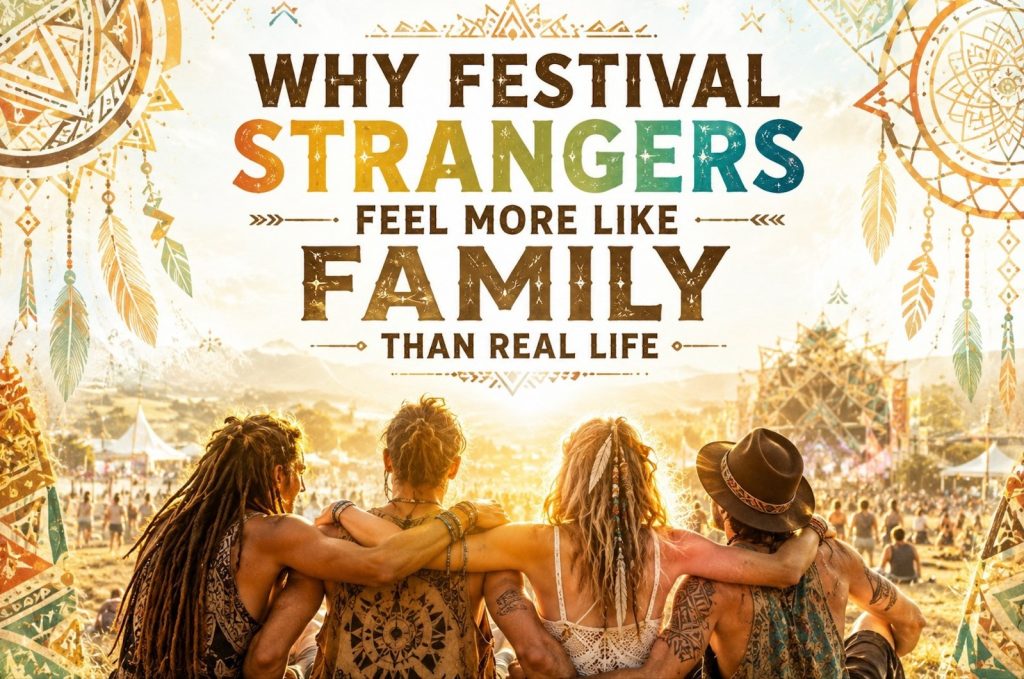
Somewhere between the basslines, the dust, and the first light of sunrise, something strange happens at festivals.
People who were complete strangers just hours earlier begin acting like they’ve known each other for years. Someone hands you water without asking. Another wraps a blanket around your shoulders when the night gets cold. A conversation that starts beside a speaker at 4AM suddenly turns into a life story, a confession, or even the beginning of a lifelong friendship.
And when the festival ends, many people leave with the same unsettling thought:
“Why did I feel more connected to strangers there than to most people in my real life?”
For years, festival culture, especially within the global psytrance and transformational scene, has been dismissed by outsiders as escapism, hedonism, or just another form of nightlife. But anyone who has truly experienced it knows that something much deeper is happening beneath the music.
Because for many people, festivals are not just parties.
They are temporary tribes.
A Place Where Nobody Cares Who You Are Outside
In everyday life, identity is tied to status.
What do you do for work?
How much money do you make?
How successful are you?
How many followers do you have?
Modern society trains people to evaluate each other constantly. Social media intensifies it. Cities make it worse. Millions of people live side by side while feeling emotionally disconnected from almost everyone around them.
Festivals disrupt that system completely.
On a dancefloor at sunrise, nobody cares about your job title. Nobody asks what car you drive. Nobody wants your LinkedIn profile.
People connect through energy first.
And that changes everything.
For a few rare days, human interaction becomes radically simplified. The masks drop. Conversations become honest. Emotions rise closer to the surface. People laugh harder, hug longer, cry more easily, and trust faster.
It feels unfamiliar at first.
Then it feels strangely natural.
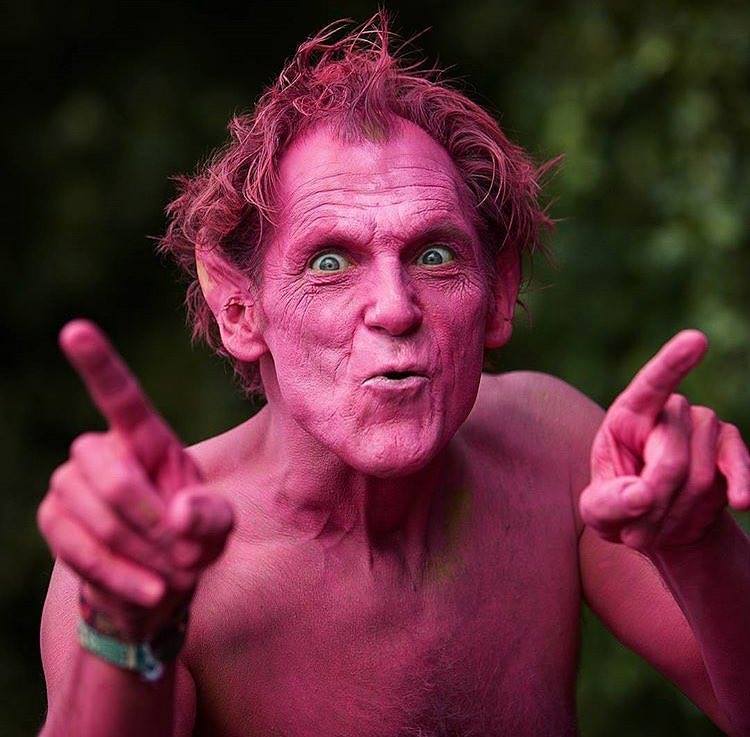
Pic.: Dinesh Samal
The Forgotten Human Ritual
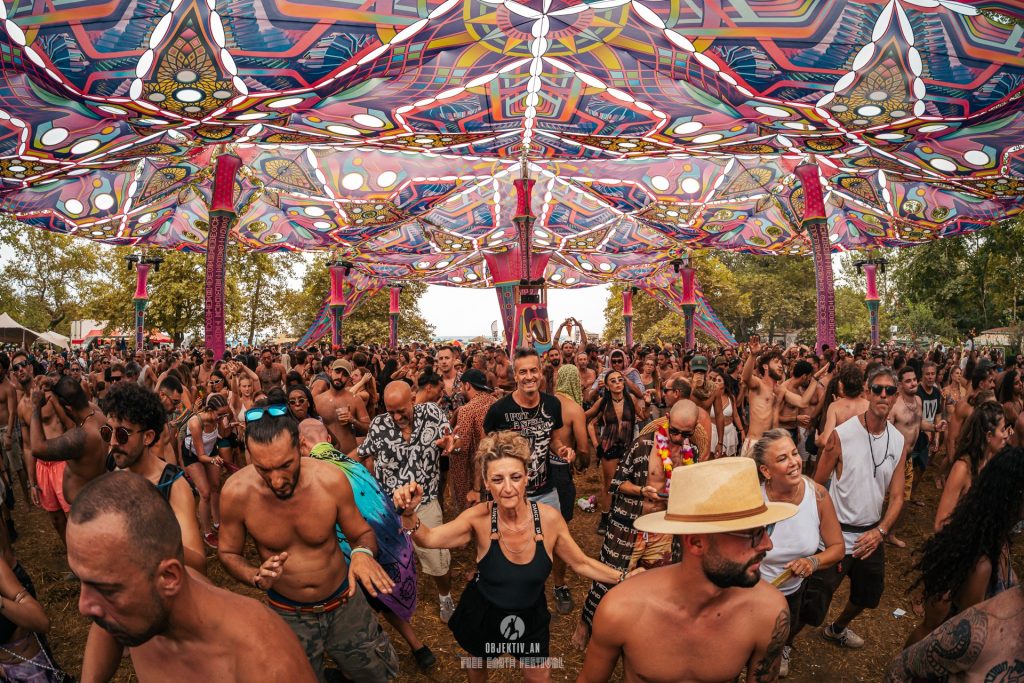
Pic.: Objektiv An
Long before nightclubs, smartphones, or even modern civilization, humans gathered in tribes around rhythm, movement, fire, and collective celebration.
Anthropologists have documented communal dancing rituals in cultures across every continent for thousands of years. Rhythm synchronized groups emotionally. Movement created belonging. Shared altered states strengthened social bonds.
Modern festival culture may look futuristic on the surface with massive sound systems, lasers, and psychedelic visuals, but psychologically, it reconnects people to something ancient.
Dancing together for hours creates emotional synchronization. Heart rates align. Physical movement mirrors between strangers. Barriers soften. The sense of separation begins to dissolve.
This is part of why festival connections often feel unusually intense.
People are not just talking to each other.
They are experiencing something together physically, emotionally, and neurologically.
Why Vulnerability Happens Faster at Festivals
In normal life, vulnerability is dangerous.
People protect themselves emotionally because daily society rewards control, performance, and emotional distance.
Festivals create the opposite environment.
There is exhaustion. Little sleep. Emotional openness. Music designed to bypass rational thinking and hit emotion directly. Sometimes psychedelics intensify this further, lowering social defenses and increasing feelings of empathy and connection.
But even without substances, something shifts.
The environment itself encourages honesty.
You meet people while sitting barefoot in the dirt at sunrise. You share food with strangers. You survive rainstorms together. You help each other through difficult emotional moments. You spend days disconnected from routines, deadlines, and screens.
These shared experiences accelerate intimacy.
It’s similar to why people bond quickly during travel, survival situations, or major life transitions. Human beings connect faster when removed from structured social roles.
And festivals create exactly that kind of space.
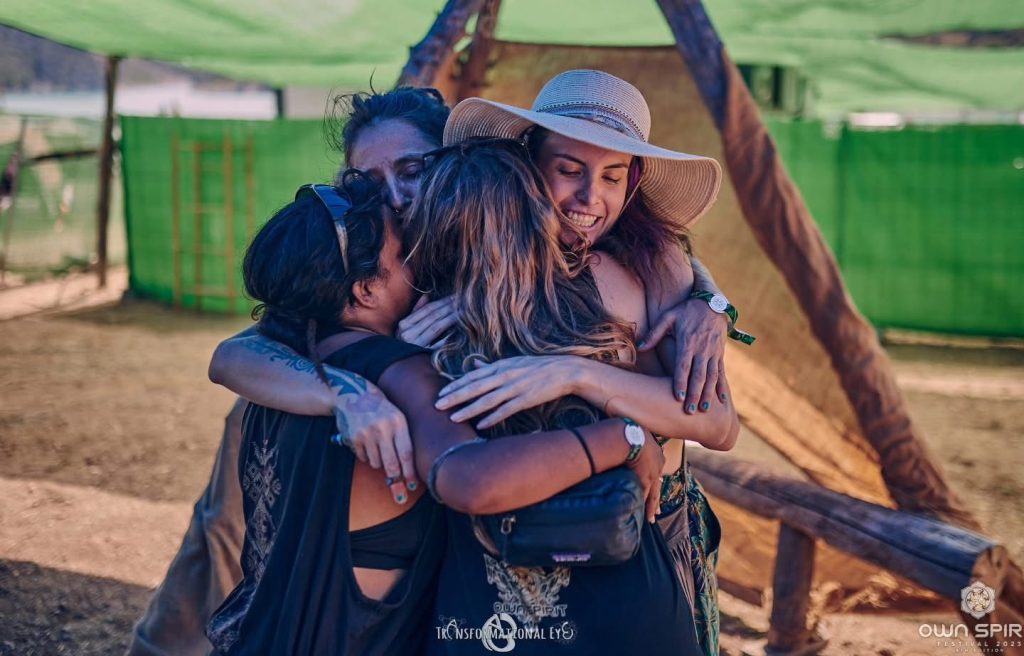
Pic.: Transformational Eye
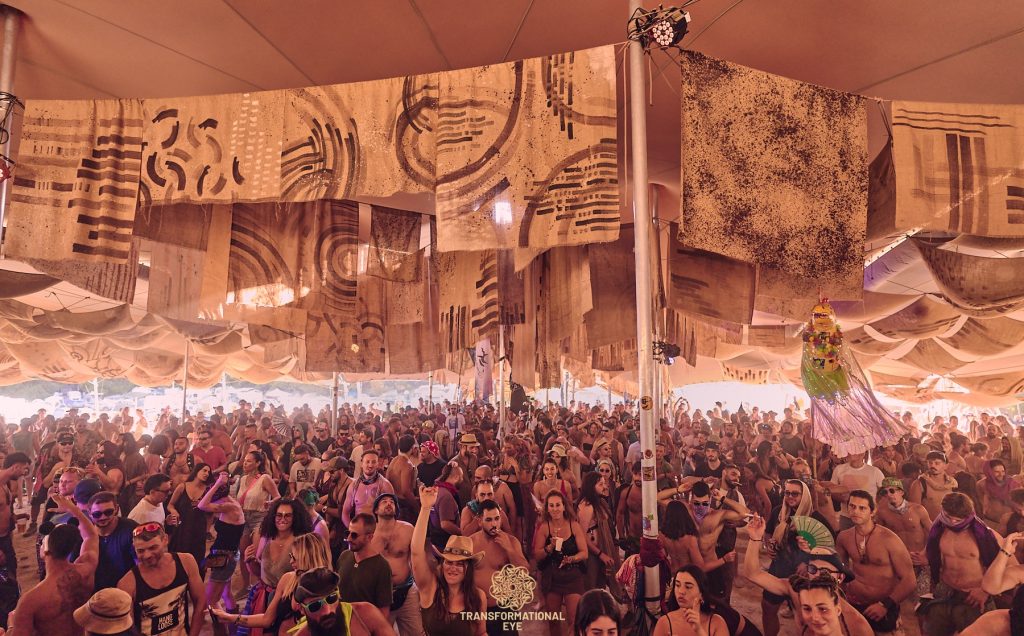
Pic.: Transformational Eye
Temporary Utopias
Many festival goers describe the experience as entering “another world.”
A place where people are kinder. More open. Less judgmental. More human.
Of course, festivals are not perfect. Conflicts still happen. Egos still exist. Reality eventually returns.
But for a short moment, many people experience a version of society that feels emotionally healthier than normal life.
That temporary feeling can be incredibly powerful.
Especially for people coming from cities where loneliness has become an epidemic.
Today, despite being more digitally connected than ever, millions of people struggle with isolation. Conversations happen through screens. Relationships become transactional. Community spaces disappear.
Festivals fill that emotional vacuum, even if only briefly.
And that’s why leaving them often hurts so much.
The Emotional Crash Nobody Talks About
Almost everyone in the scene knows the feeling.
The drive home feels quieter than usual. Your phone suddenly fills with notifications again. The magic disappears almost overnight.
And somewhere inside, a strange emptiness appears.
People often joke about “post festival depression,” but psychologically, it makes sense. Human beings are not designed for constant emotional intensity followed by abrupt disconnection.
At festivals, people experience heightened belonging, stimulation, freedom, and collective emotion. Returning immediately to isolated routines, work stress, traffic, and digital overload creates emotional whiplash.
The contrast is painful because the connection felt real.
Maybe more real than everyday life.
More Than Music
To outsiders, psytrance festivals can look chaotic or difficult to understand.
But inside the culture, many people are searching for something profoundly human:
Connection Freedom Belonging Presence
And perhaps that explains why strangers at festivals can sometimes feel closer than people back home.
Because for one brief moment, everyone stops pretending.
The walls disappear. The music takes over. And beneath all the noise of modern life, people remember what it feels like to belong to a tribe again.